
How to choose bike tyres: sizes, types and examples
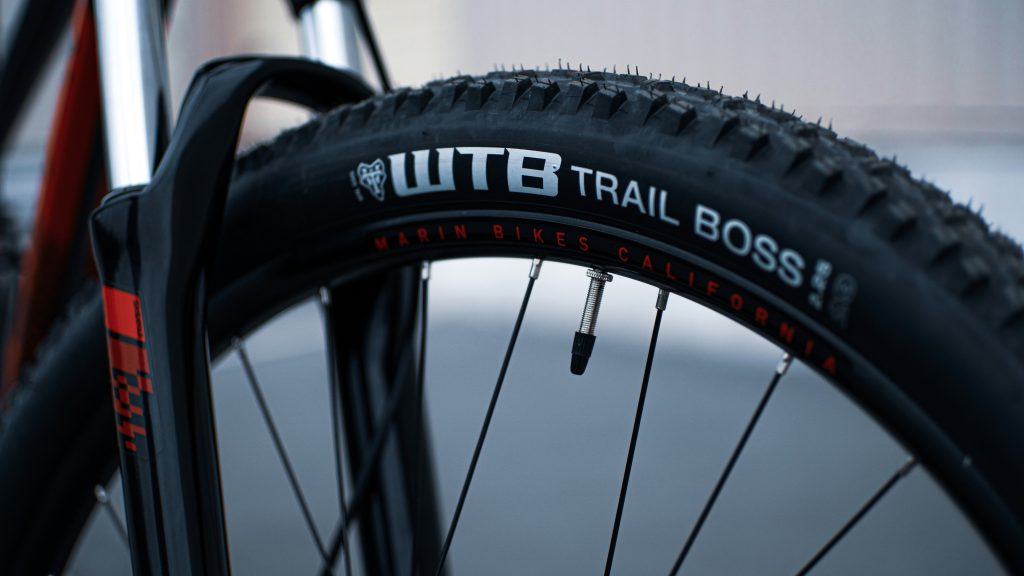
Tyres are one of the most frequently replaced parts on a bike. They wear out, puncture, go hard, or simply do not suit where you ride now. But at the checkout, or on a product page, the questions start: what does “700x25c” mean, how do 28″ and 29″ differ, will this tyre fit my rim?
The right tyre changes how a bike feels more than most people expect. It decides grip, comfort, puncture resistance and even how easily the wheel rolls. A bad tyre can spoil an otherwise excellent bike.
This guide explains how to read tyre sizes, what width and tread to choose, how the mounting types differ, and what to watch for when buying online.
The short answer: which tyres to choose?
If you want a quick answer, start from where you ride most.
| Where you will ride most | Usually suits |
| In town, on tarmac, commuting | Slick or semi-slick city tyres |
| Tarmac and light gravel | All-round trekking / hybrid |
| Forest tracks, off-road | MTB tyres with an aggressive tread |
| Tarmac plus gravel, longer routes | Gravel tyres |
| Speed on the road | Narrow slick road tyres |
| For an e-bike | E-bike certified (ECE-R75) tyres |
| Winter, ice | Winter or studded tyres |
The main rule: look first at the size (will it fit your wheel at all), and only then at the type (does it suit your roads).
1. Why tyres matter so much
The tyre is the bike’s only contact with the road. So it decides almost everything that matters when riding:
- grip in corners and under braking;
- comfort on rough surfaces;
- rolling resistance (how easily the wheel turns);
- puncture resistance;
- behaviour in the rain or on gravel;
- and even the bike’s speed and how tired you get on longer rides.
Often the cheapest way to improve an old bike is not a new drivetrain but the right tyres. On a city bike, swapping tired tyres for slicks is enough to make rolling on tarmac noticeably easier.
2. How bike tyre sizes are read
This is where most of the confusion comes from, because several systems are in use at once.
In inches (MTB, city, children’s)
Example: 26 x 1.95 arba 28 x 1.40.
- the first number (26, 27.5, 28, 29) is the approximate wheel diameter in inches;
- the second (1.40, 1.95, 2.25) is the tyre width in inches.
The French system (road, gravel, some hybrids)
Example: 700 x 25C.
- 700 is the approximate outer diameter in millimetres;
- 25 is the tyre width in millimetres;
- the letter C marks the rim type (a historical label that today simply means a 622 mm class wheel).
ETRTO (the most precise and reliable)
Example: 25-622 arba 50-559.
- the first number is the tyre width in millimetres;
- the second is the rim bead seat diameter in millimetres, and that is the one that really matters.
ETRTO is the only genuinely reliable way to tell whether a tyre will fit. The number 622 always means the same rim, whether the tyre says 700C, 28″ or 29″.
3. Diameter chart: what 26″, 27.5″, 28″, 29″ and 700C mean
This is why ETRTO matters so much: inches can mislead.
| Marking in inches / French | ETRTO diameter | Where it is usually used |
| 20″ | 406 mm | Folding bikes, children’s bikes, some scooters |
| 24″ | 507 mm | Children’s and junior bikes |
| 26″ | 559 mm | Older MTBs, city and children’s bikes |
| 27.5″ / 650B | 584 mm | MTB, some gravel |
| 28″ / 700C / 29″ | 622 mm | City, trekking, road, gravel, MTB 29er |
Note: 28″, 700C and 29″ usually share the same 622 mm rim. Only the tyre width differs. A 29er mountain bike wheel and a 700C road wheel are the same diameter; they simply take tyres of different widths.
There are rare exceptions (old Dutch 28″ bikes with a 635 mm rim, or old 27″ road wheels at 630 mm). So if in doubt, look for the ETRTO number on the sidewall of your current tyre.
4. How to choose tyre width
Width is the second most important dimension after diameter. It decides comfort, grip and speed.
| Width (approximate) | Who it usually suits |
| 23–28 mm | Road riding, speed on tarmac |
| 28–35 mm | Fast hybrids, gravel on tarmac and smooth gravel |
| 35–45 mm | All-round city, trekking and gravel |
| 47–55 mm (1.9–2.2″) | MTB, off-road, comfort |
| 2.2–2.6″+ | Technical MTB, enduro |
The general rules:
- a narrower tyre has less resistance and is faster on tarmac, but rides harder and takes impacts less well;
- a wider tyre is more comfortable, grips better and feels better on gravel, but is a little slower and heavier.
Important: the rim and the frame only have so much clearance. A tyre that is too wide may simply not fit between the fork legs or the stays. If you are not sure what maximum width your bike allows, check before buying.
5. Tyre types by use
City tyres
Made for tarmac and everyday riding. Usually slick or semi-slick, with good puncture resistance.
Right for you if:
- you ride mostly in town and on tarmac;
- you want easy rolling;
- resistance to glass and nails matters.
May not suit you if:
- you often ride gravel or forest tracks.
Trekking / hybrid tyres
All-round tyres for tarmac and lighter gravel. Usually with a medium tread and a solid protection layer.
Right for you if:
- you ride both in town and on country roads;
- you want one tyre that does a bit of everything.
MTB tyres
A wide, aggressive tread for grip on mud, roots and rocks.
Right for you if:
- you ride forest tracks and off-road;
- grip matters more than speed.
May not suit you if:
- you spend 90% of your time on tarmac (it will be slow and noisy).
Gravel tyres
A halfway house between road and MTB. Fast on tarmac and unbothered by gravel.
Right for you if:
- you enjoy longer mixed-surface routes;
- you want speed but also versatility.
Road tyres
Narrow slicks built for speed and low resistance.
Right for you if:
- you ride smooth tarmac and train.
May not suit you if:
- your roads are potholed or gravelly.
E-bike tyres
E-bikes call for reinforced tyres carrying the ECE-R75 marking. They are built for the extra weight and speed.
Right for you if:
- you have an e-bike, particularly a faster one (up to 45 km/h).
6. Tread: slick, semi-slick or studded?
Tread is chosen for the surface, not for the looks.
| Tread | Where it works best | On tarmac |
| Slick (smooth) | Tarmac, city, road | Fast, quiet |
| Semi-slick | Tarmac plus light gravel | Fast in the centre |
| Medium tread | Trekking, gravel, mixed roads | Medium |
| Aggressive / knobbly | MTB, mud, off-road | Slow, noisy |
A common mistake is to assume a knobbly tyre is always safer. On tarmac an aggressive tread gives no more grip, only more resistance and noise. In town a smooth tyre grips better and rolls more easily.
7. Mounting types: clincher, tubeless, tubular
| Type | How it works | Who it suits |
| Clincher | A conventional tyre with an inner tube | For most bikes, the simplest option |
| Tubeless | Tubeless, with sealant | MTB, gravel, some road |
| Tubular | Glued onto a special rim | Professional racing |
Suits most riders clincher is a standard tyre with a separate tube. It is easy to fit and easy to repair by the roadside.
Tubeless has its advantages: fewer punctures, the option of lower pressure, and better grip. But it needs the right rim, sealant and a more careful fitting.
8. Puncture protection
Most tyres have a separate protective layer under the tread. For city riders this is one of the most important criteria.
- For town it is worth choosing tyres with a strong protection layer against glass, wire and nails. Such tyres are heavier, but they cut punctures dramatically.
- For sport lighter, thinner tyres are often chosen, and the speed is paid for with less resistance to damage.
The thicker the protection, the fewer punctures, but the heavier and slower the tyre. It is a trade-off worth making on your own terms.
9. TPI and rubber compound: what else decides quality
- TPI (threads per inch) : the higher the TPI, the more supple and lighter the tyre and the better it rolls. Low TPI tyres are tougher and cheaper, but stiffer.
- Rubber compound : softer rubber grips better but wears faster. Harder rubber lasts longer but grips less. Many good tyres combine compounds: harder in the centre for durability, softer on the shoulders for grip.
You do not have to go into this when buying your first set, but it explains why two tyres of the same size can cost very different amounts.
10. Tubes and valves: what not to forget
If you choose clincher tyres you will usually need a tube as well. The main thing is that the tube size matches the tyre size (for example 700×25-32C or 26×1.75-2.10).
Valve types:
| Valve | Other name | Where they are usual |
| Presta (SV) | Sports, French | Road, gravel, MTB |
| Schrader (AV) | Car type | City, MTB, children’s |
| Dunlop (DV) | Woods | Older city bikes |
Two common tips:
- Check which valve type fits the hole in your rim: Presta is thinner than Schrader.
- If you have deep-section (aero) road rims, you will need a longer valve (60 mm or more, for example), otherwise the pump will not reach it.
11. Winter and studded tyres
A Lithuanian winter is a subject of its own. If you ride all year:
- Winter tyres use a softer rubber that stays supple in the cold, and a deeper tread.
- Studded tyres have metal studs and are made for ice and packed snow. On clean tarmac they are noisy and slower, but on ice there is no substitute.
If the bike goes into the garage for winter, ordinary tyres are entirely enough. Studs are only worth considering for people who genuinely ride on icy paths.
12. Examples: which tyres to choose
Example 1: commuting in town
Situation: 6 km to work on tarmac and cycle paths, with glass on the path a regular hazard. Suits: 700×35-40C or 28×1.40 slicks with strong puncture protection. Important: durability, and a reflective sidewall stripe for visibility.
Example 2: a hybrid bike for town and the country
Situation: part of the route is tarmac, part gravel near the house. Suits: 700x40C or 28×1.60 semi-slick, light tread tyres. Important: versatility, a medium width for comfort.
Example 3: MTB on forest tracks
Situation: roots, rocks, mud, more technical trails. Suits: 29×2.25 or 27.5×2.35 tyres with an aggressive tread. Important: grip, and resistance to sidewall tears.
Example 4: gravel for longer routes
Situation: long weekend routes on tarmac and gravel. Suits: 700×40–45C semi-slick gravel tyres, possibly tubeless. Important: a balance between speed on tarmac and grip on gravel.
Example 5: an electric city bike
Situation: everyday riding, with a heavier bike. Suits: reinforced e-bike tyres with the ECE-R75 marking, 700×40-50C. Important: the certification, the protection layer, and durability.
13. The most common mistakes when choosing tyres
1. Looking only at width, or only at inches
A tyre only fits when the rim diameter matches (the second ETRTO number). Width matters for comfort, but the diameter has to match first.
2. Confusing 28″ with 27.5″
These are different rims (622 mm and 584 mm). They look similar, but the tyre will not fit. Always check the ETRTO.
3. Buying one tyre instead of a pair
If both tyres are similarly worn it is usually worth replacing both, otherwise the bike handles unevenly and grip is asymmetric.
4. Choosing an aggressive tread for town
On tarmac a knobbly tyre is not safer, only slower and noisier. Slicks are better for town.
5. Forgetting the valve type and length
A new tube with the wrong valve will not suit the rim, and a valve that is too short becomes a problem on deep rims when inflating.
14. How to check which tyres fit your bike
The quickest way is to look at the sidewall of your current tyre. The size is almost always printed there, for example:
- 700 x 28C arba
- 28 x 1.40 arba
- ETRTO 28-622.
The same diameter figure (622, say) has to match on the new tyre. Width you can change within the limits the frame and rim allow.
If the tyre is worn smooth and the marking is gone, the size can be found on the rim sticker or in the bike’s specification.
15. Frequently asked questions
What does 700x25C on a tyre mean?
700 is the approximate wheel diameter in millimetres, 25 is the tyre width in millimetres, and C marks the rim class. In ETRTO format that is 25-622.
Are 28 inch and 700C the same?
In most cases yes: both use a 622 mm rim. But there are old 28″ bikes with a 635 mm rim, so the ETRTO number is the reliable guide.
Can I fit a wider tyre than I have now?
Usually yes, if the frame and fork have enough clearance. A tyre that is too wide can rub on the frame. If you are unsure about the maximum width, check first.
What is the difference between clincher and tubeless?
A clincher uses a separate inner tube and suits almost any bike. Tubeless runs without a tube, using sealant, with fewer punctures, but it needs the right rim and a more careful fitting.
How do I know it is time to replace the tyres?
A tyre is worth replacing when the tread is worn, cracks or casing threads are showing, punctures become frequent, or the rubber has gone hard and is cracking with age.
Do both tyres have to be replaced at once?
If both are similarly worn, yes. The rear tyre wears faster, so sometimes only that one is changed, but matching grip is safer.
Which valve should the tube have?
The same type as your rim takes: Presta (thin), Schrader (like a car) or Dunlop (older city bikes). The valve also has to be long enough for your rim.
Does an e-bike need special tyres?
Fast e-bikes call for reinforced tyres with the ECE-R75 marking. On slower e-bikes good ordinary tyres often do, but a reinforced casing lasts longer.
In short: size first, then purpose
Choosing tyres becomes simple when you take it in two steps:
- step one, size: check the ETRTO or the marking on your current tyre so the new one really fits;
- step two, purpose: choose the width and tread for where you actually ride.
The right tyres cost little but change the ride more than most other upgrades. A good city bike needs reliable slicks with protection; off-road you need grip you can trust.
Need help choosing tyres?
Write to us with
your bike type, your current tyre size (700x35C or 28×1.75, say) and where you ride most: in town, on gravel, on forest tracks or on longer routes.
We will pick out tyres that genuinely fit your rim and suit your roads, from official distributors’ ranges.
Send us your bike type, tyre size and where you will be riding, and we will help you pick the right tyres.
Need help choosing?
Tell us your height, budget and where you ride, and we will pick a few models that genuinely suit you.